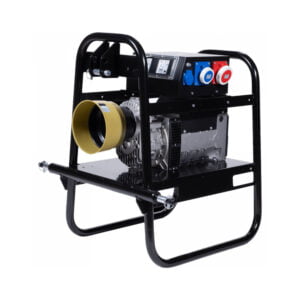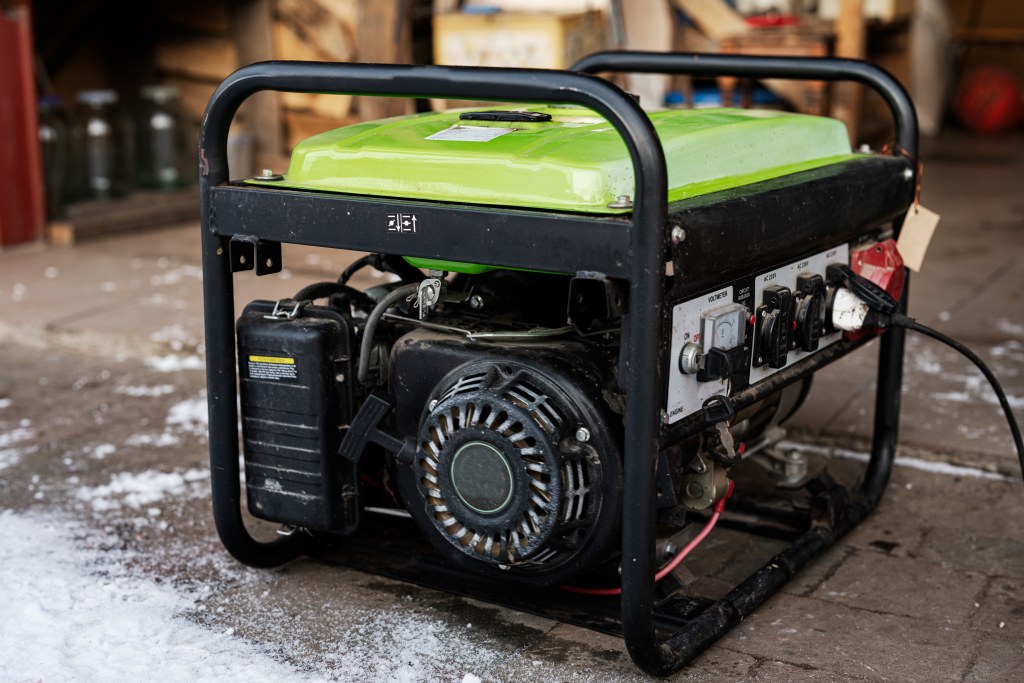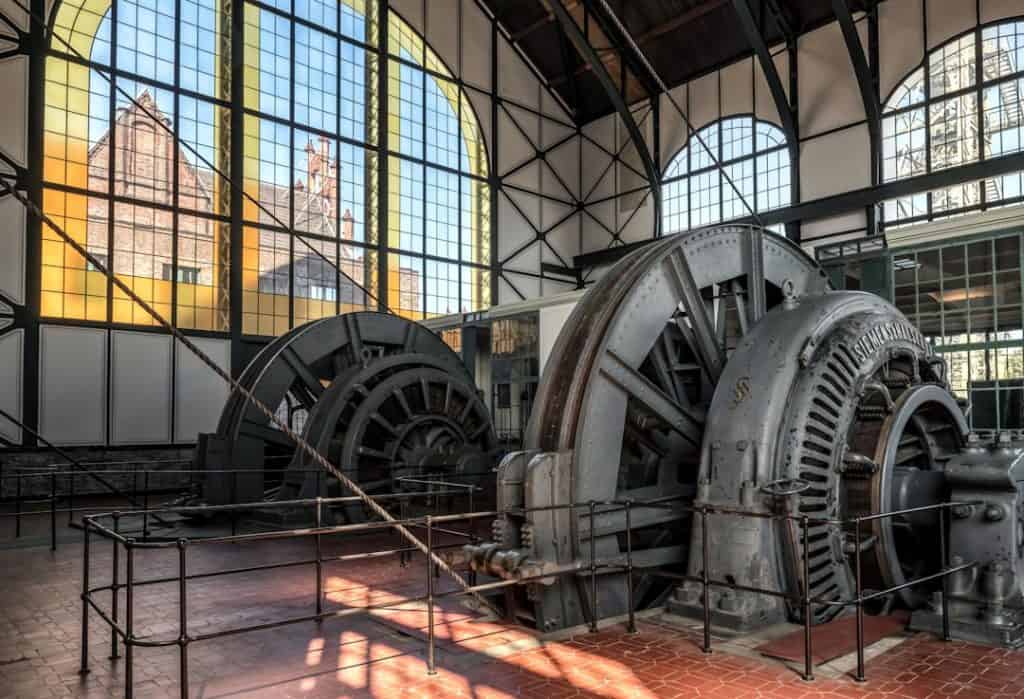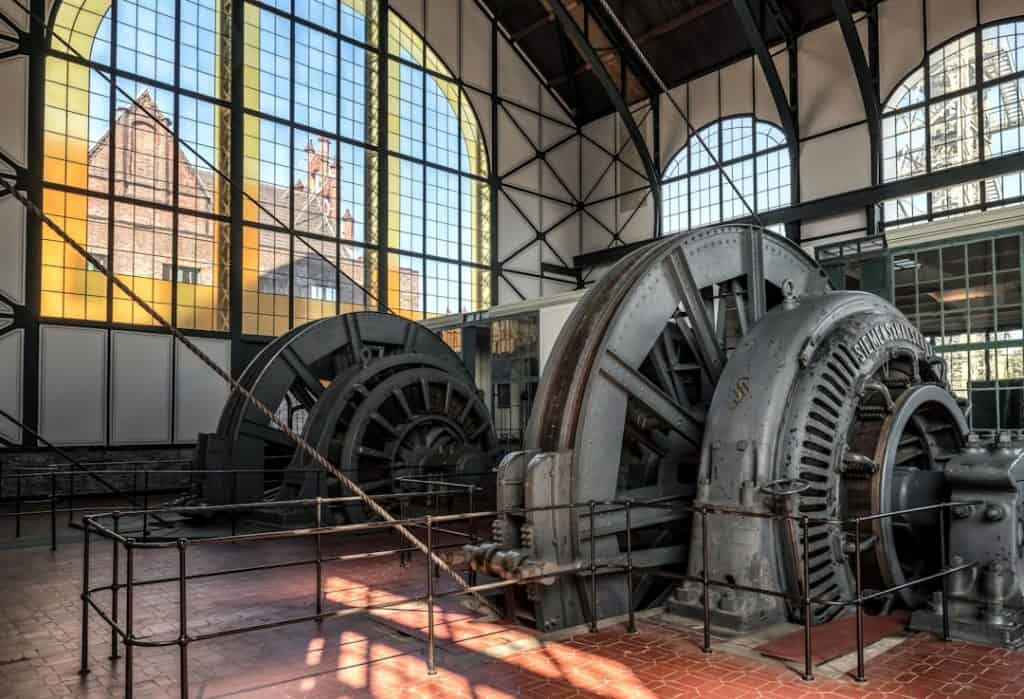
Aggregates are devices that produce electricity by converting mechanical energy into electricity using a generator. They are used as backup or primary power sources in situations where the power grid is not available. There are different types of generators, including gasoline, diesel and gas, which differ in power, size and purpose.
The sale of aggregates includes the process of procurement, distribution and sale of these devices to end users. This industry is important to many sectors, including construction, agriculture, healthcare and telecommunications. When choosing a generator, customers must consider factors such as power required, frequency of use, noise level and fuel consumption.
Trusted aggregate sellers offer a wide range of products, expert advice and after-sales support. They also provide information on the proper maintenance and servicing of generator sets, which is essential for their long-term and efficient operation. Buying generator sets from a reputable dealer ensures product quality and access to spare parts and service.
In modern society, gensets play a key role in providing uninterrupted power for critical systems and infrastructure. They are essential in emergency situations, in remote locations and in industry where a continuous supply of electricity is vital to business and safety.
Key Takeaways
- Aggregates sale represents the process of selling aggregates, which are devices for the production of electricity.
- Different types of generators can be found on the market, including gasoline, diesel and inverter generators.
- When choosing the right generator for your needs, it is important to consider the power, fuel consumption and noise that the generator produces.
- You can find a reliable seller of aggregates through recommendations, searching on the Internet or visiting specialized stores.
- Maintenance and service of the unit is key to prolonging the life and efficiency of operation, including regular oil and filter changes.
Types of aggregates that can be found on the market
Different types of aggregates can be found on the market, and choosing the right model depends on the specific needs of the user. There are portable aggregates that can be easily moved from one place to another and are used for temporary needs, as well as stationary aggregates that are intended for long-term use. Also, there are different types of fuel used to power generators, including gasoline, diesel, gas, and solar energy.
Each of these types of aggregates has its advantages and disadvantages, so it is important to carefully consider all options before making a decision. In addition, generators differ in power, capacity and the functions they offer. There are smaller aggregates intended for home use, as well as larger industrial aggregates that can cover the needs of large buildings or urban areas.
Also, some aggregates have additional functions such as automatic start in case of power failure or the possibility of connecting several aggregates to increase power. Understanding the different types of aggregates and their characteristics is key when choosing the right model for your needs.
How to choose the right aggregate for your needs
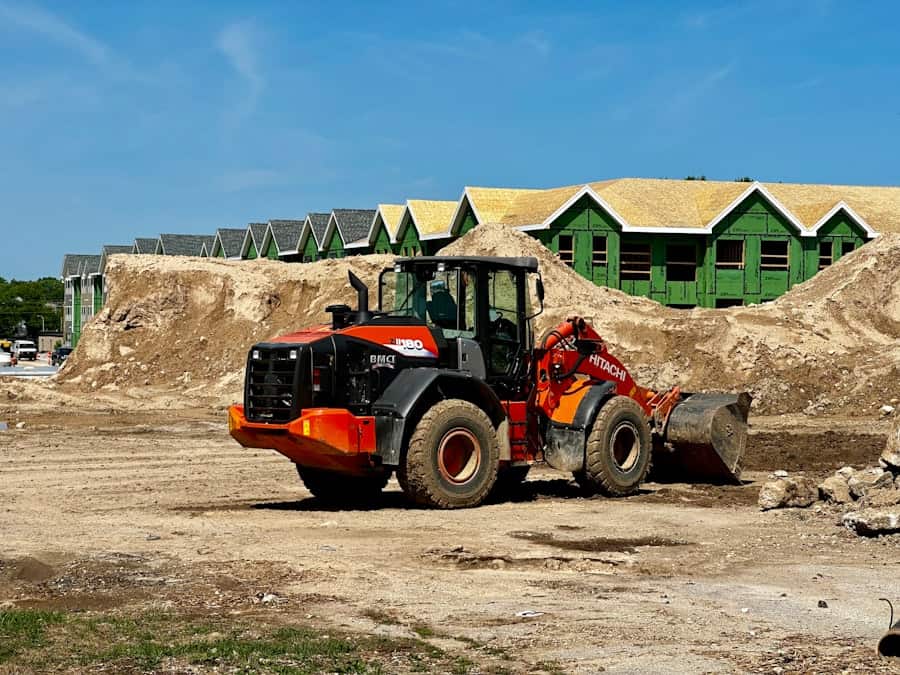
Choosing the right generator for your needs can be a challenging process, but there are several key factors to consider when making your decision. First, it is important to estimate how much power and capacity the genset will need to cover all the electricity needs. This includes looking at the electricity consumption of the various devices and systems that will be powered by the generator.
Also, you should consider whether the generator will be used as a backup source of electricity or as a primary source in places where there is no access to the electricity grid. Another important factor is the type of fuel you prefer to drive the generator. Petrol, diesel, gas and solar power are all options to consider depending on fuel availability and specific project requirements. Also, it is important to consider the mobility of the unit, especially if it will be used for temporary needs or in emergency situations.
Finally, you should also consider the additional functions you need, such as automatic start or the ability to connect multiple generators to increase power. Carefully considering all these factors will help you choose the right generator for your needs.
Where to find a reliable generator dealer
| Seller | Reliability | Price | Quality |
|---|---|---|---|
| Agro-Mechanics | Tall | Medium | Tall |
| Machine traffic | Tall | Tall | Tall |
| Agrovojvodina | Medium | Low | Medium |
Finding a reliable genset dealer is key to ensuring you get a quality product and support throughout the process. There are various channels through which you can find aggregate sellers, including specialty stores, online sales, distributors and direct from the manufacturer. Each of these channels has its advantages and disadvantages, so it is important to carefully research all options before making a decision.
Specialist stores often have a wide range of aggregates of different brands and models, as well as expert staff who can provide advice and support in choosing the right model. Online sales can also be a convenient option, especially if you want to browse a wide range of products from the comfort of your own home. Distributors and buying direct from the manufacturer can also be a good choice if you want direct support from the manufacturer or distributor.
Regardless of the channel you choose, it's important to research the seller's reputation and check if they offer warranty and post-purchase support.
How to maintain and service the aggregate
Maintenance and servicing of the generator set is essential to ensure that the unit operates reliably and efficiently throughout its working life. Regular maintenance includes cleaning the air and oil filters, checking the fuel and oil levels, as well as checking the condition of the battery and the overall condition of the device. It is also important to follow the manufacturer's recommendations for regular service intervals to ensure that the device remains in optimal condition.
In addition to regular maintenance, it is important to have a plan to service the device in the event of a breakdown or operational problem. Many genset sellers offer service and repair services, so it is important to have contact with a reliable repairer who can respond quickly in case of need. It is also important to have spare parts and consumables available to ensure that problems can be resolved quickly and efficiently.
Regular maintenance and servicing will extend the service life of the unit and ensure a continuous supply of electricity.
Important factors when buying aggregates

When purchasing a generator, there are several important factors to consider to ensure you get a quality product that will meet your needs. First, it's important to research the reputation of the manufacturer and seller to ensure you're getting a reliable product with proper after-purchase support. It is also important to consider the warranty offered with the product to ensure that you are protected in the event of a problem with the device.
Another important factor is the price of the unit and the maintenance costs during the entire working life of the device. It is important to consider the total cost of ownership in order to make an informed purchasing decision. It is also important to consider the specific needs of the project or application for which the generator will be used in order to select a model with the appropriate features and functions.
Carefully considering all these factors will help you make an informed decision when purchasing a generator.
Tips for efficient use of aggregates
Efficient use of the aggregate is essential to ensure that the device operates reliably and efficiently throughout its working life. First, it is important to follow the manufacturer's instructions for installation and use of the device to ensure that it is used correctly. It is also important to follow the manufacturer's recommendations for regular maintenance to ensure that the device remains in optimal condition.
Another tip is to regularly monitor the fuel and oil levels to ensure that the device has enough resources to operate. It is also important to monitor the performance indicators of the device in order to react in a timely manner in case of problems or malfunctions. Finally, it is important to have a plan for emergencies or power outages to ensure uninterrupted power supply.
Proper use and maintenance will extend the working life of the device and ensure a continuous supply of electricity in all situations.
FAQs
What are aggregates?
Aggregates are devices that produce electricity using an engine that drives a generator. They are used as a backup source of electricity in the event of a power outage or where there is no access to the electricity grid.
How are aggregates used?
Generators are used by being driven by an engine, which then drives a generator to produce electricity. This energy can be used to power various devices and machines.
Where can aggregates be bought?
Aggregates can be purchased in specialized stores that sell equipment for generating electricity. They can also be found in construction and industrial tool stores.
What is the price of the unit?
The price of the aggregate depends on the power, manufacturer and additional equipment that comes with the aggregate. Prices range from several hundred to several thousand euros, depending on the model and features.