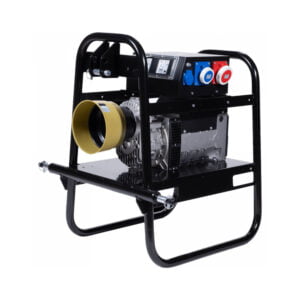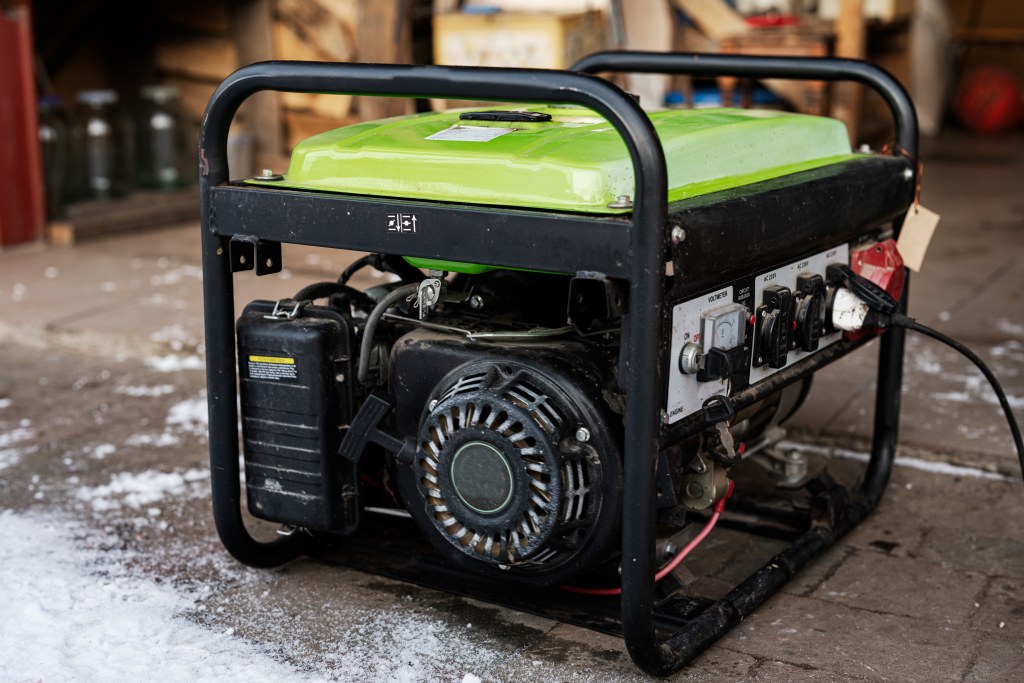
When choosing a generator for electricity, it is necessary to consider several key factors. The purpose of the generator is of crucial importance - whether it will be used for household purposes, as backup power, or for commercial purposes such as construction work or outdoor events. The required power of the generator and the type of fuel it uses are also important aspects.
Noise levels and maintenance requirements are additional factors to consider. The frequency of use of aggregates is an important factor when making a purchase decision. For occasional use in the event of a power outage, it may not be necessary to invest in a more expensive, high-powered model.
However, for regular or commercial use, it is important to choose a model that can meet the specific needs of the user. The mobility of the unit is also an important aspect - whether it will be used in different locations or whether it will be stationary. Consideration of all these factors is key to choosing the right power generator that will effectively meet the needs of the user.
Proper assessment of these elements ensures optimal choice and long-term user satisfaction.
Key Takeaways
- Choose a generator that can cover the electricity needs of your household or business
- The size and power of the unit should be adapted to the needs, taking into account the possibility of expansion
- Consider fuel consumption and choose a generator that is economical and efficient
- Pay attention to the noise level of the unit and regular maintenance to extend its life
- Always make sure the generator has overload protection and meets safety standards
The size and power of the power generator
The size and power of the generator are key factors to consider when choosing the right model. The power of the aggregate is measured in kilowatts (kW) and represents how much electricity the aggregate can produce. When deciding on the size and power of the generator, it is important to consider the electricity consumption of the devices you plan to use.
For example, air conditioners, refrigerators and washing machines usually require more power, while lighting and smaller household appliances require less power. It is also important to take into account whether the generator will be used only for basic needs or if power will be needed for several devices at the same time. In this case, a model with higher power should be chosen to ensure that it will be able to meet all the needs of the user.
In addition, it is important to take into account the reserve power that the generator can provide in case of increased consumption or overload. All these factors should be carefully considered when choosing the size and power of the generator to ensure that it will meet the needs of the user in the most efficient way.
Fuel and consumption

When it comes to fuel and power generator consumption, it is important to consider several key factors. First, you should consider the type of fuel that the generator uses - whether it runs on gasoline, diesel or gas. Each type of fuel has its advantages and disadvantages, so it is important to consider fuel availability, fuel cost and environmental factors when choosing the right model.
It is also important to consider the fuel consumption of the generator - how much fuel will be needed to maintain the continuous operation of the generator depending on the power and load. In addition, fuel efficiency is also important to consider - some engine models may have better fuel efficiency than others, which can result in lower fuel costs over a longer period of use. It is also important to consider the capacity of the fuel tank - a larger capacity means a longer operating time without the need to refuel.
All these factors should be taken into account when choosing a generator to ensure that it will meet the needs of the user in the most efficient way.
Noise and maintenance
| Type of maintenance | Maintenance number | Maintenance costs (in dinars) |
|---|---|---|
| Preventive maintenance | 15 | 50,000 |
| Corrective maintenance | 10 | 70,000 |
| Scheduled maintenance | 5 | 30,000 |
Noise and level of maintenance are two other key factors to consider when choosing the right power generator. The noise level of the aggregate is measured in decibels (dB) and represents the level of noise produced by the aggregate during operation. It is important to consider the noise level when choosing a model, especially if the generator will be used in urban areas where there is a noise restriction.
It's also important to consider the level of maintenance required for a particular generator model - some models require regular maintenance such as oil, filter or spark plug changes, while other models may have less maintenance requirements. In addition, it is important to take into account the quality of the materials from which the aggregate is made to ensure that it will be resistant to wear and tear and long lasting. It is also important to consider the warranty that comes with the unit - a longer warranty can be an indicator of the quality of the product and can provide additional security to users.
All these factors should be carefully considered when selecting a generator to ensure that it will meet the needs of the user in the most efficient way.
Safety and overload protection
Safety and overload protection are key factors to consider when choosing the right power generator. It is important to choose a model that has built-in safety features such as automatic shutdown in case of overload or overheating to ensure the safety of the user and the device being powered. It is also important to consider overload protection - some models may have the ability to automatically regulate the load to prevent device overload or aggregate damage.
In addition, it is important to consider additional safety features such as gas leak protection or automatic shutdown in the event of a leak or lack of fuel. It is also important to consider connecting to a surge protection system to ensure that devices will be protected from damage due to voltage variations. All these factors should be carefully considered when selecting a generator to ensure that it will meet the needs of the user in the most efficient way.
User experiences with specific models

User experiences with specific aggregate models can be valuable in choosing the right model. Reviewing user reviews and opinions can provide useful information about the performance, reliability and user satisfaction of specific generator models. It is also important to take into account the recommendations of friends or acquaintances who already use power generators in order to get a realistic picture of which models are the best.
In addition, it is important to research the reputation of the manufacturer to ensure that the chosen model will be of high quality and reliable. Checking the manufacturer's warranty and support service can also be useful in choosing the right generator model. All of this information can help make a more informed decision about which generator model best suits the user's needs.
Tips for maintaining and extending the life of power generators
When it comes to maintaining and extending the life of power generators, there are some tips that can help users extend the life of their appliances. Regular maintenance such as oil, filter and spark plug changes can help maintain engine performance and extend engine life. Regular cleaning of the unit is also important to prevent the accumulation of dust and dirt that can affect the operation of the device.
In addition, it is important to follow the manufacturer's instructions on the use of fuel and additives to ensure that the generator will perform optimally. Regularly checking the condition of the battery, cable and plug can also help prevent breakdowns and extend the life of the device. It is also important to store the unit in a dry place to prevent damage from moisture or corrosion.
All of these measures can help users extend the life of their power generators and ensure reliable power supply when needed most.
FAQs
What is a power generator?
A generator is a device that produces electricity using a motor that drives a generator. It is used as a source of electricity in situations where there is no electrical power available, such as emergency situations, field work or camping.
How does the power generator work?
The power generator works by the engine driving a generator that produces electricity. The engine can be powered by gasoline, diesel, gas, or other fuel, and it generates electricity that can be used to power various devices and tools.
What are the experiences with using generators for electricity?
Experiences with using power generators may vary depending on the model and manufacturer. Some users may have positive experiences with generator reliability and performance, while others may have negative experiences with noise, maintenance or fuel consumption.
How to choose the right generator for electricity?
When choosing a generator for electricity, it is important to take into account the required power, fuel type, noise level, autonomy of operation, maintenance and other factors. It is also important to consider the needs and intended use of the aggregate in order to choose the appropriate model.
How to maintain the power generator?
Power generator maintenance includes regular cleaning, checking oil and fuel levels, replacing air and fuel filters, checking spark plugs, as well as regularly starting and checking the operation of the generator to maintain its functionality and reliability.