Small power generators play a key role in emergency situations for several reasons. Primarily, they provide a continuous supply of electricity when the main power source is damaged or unavailable. This is especially important during natural disasters such as floods, storms or earthquakes, when there can be long-term interruptions in the supply of electricity.
Small aggregates enable the maintenance of basic functions such as lighting, heating, cooling and communication in difficult conditions. Additionally, small aggregates are necessary for the operation of medical equipment and other vital systems in crisis situations. In healthcare facilities, nursing homes and similar facilities, a power outage can have serious consequences.
Small generators allow these facilities to continue providing necessary medical care and support even when the main power source is unavailable. Because of their importance in emergency situations, small power generators should be an integral part of emergency response plans for households, institutions and businesses. They represent a key element in emergency preparedness and provide the necessary energy security when it is most needed.
Key Takeaways
- Small power generators are important in emergency situations because of the possibility of providing electricity in the event of a power outage.
- When choosing the right small generator for your needs, it is important to consider the power, tank capacity, noise and portability of the device.
- The advantages of using small power generators in emergency situations include a reliable source of electricity, mobility and the ability to respond quickly.
- Tips for maintaining and storing small power generators include regular cleaning, checking oil and fuel levels, and proper storage of the unit.
- How to properly use a small power generator in emergency situations involves placing the device on a flat surface, properly connecting electrical appliances and regularly monitoring the fuel level.
How to choose the right small unit for your needs?
When it comes to choosing the right small power generator, it is important to consider several key factors. First, the electricity consumption should be considered and the basic devices and systems that will be connected to the generator should be identified. Based on this assessment, you can choose a generator of the appropriate power to meet your needs during emergency situations.
Second, it is important to consider the practicality and portability of a small generator. In emergency situations, it may be necessary to move the genset from one place to another in order to provide electricity where it is most needed. Therefore, it is important to choose a small generator that is easy to transport and use.
Also, the noise level that the generator produces should be considered, especially if it will be used in urban or densely populated areas where excessive noise could be a problem.
Using small generators for electricity in emergency situations brings numerous advantages. First, they enable uninterrupted power supply even when the main power source is unavailable. This means that people can maintain basic functions such as lighting, heating, cooling and communication even in the harshest conditions.
This can be essential for maintaining safety and comfort during emergency situations. Second, the use of small generators for electricity enables the operation of medical equipment and other vital systems during emergency situations. This is of utmost importance in hospitals, nursing homes and other care facilities where a loss of power can have serious consequences for patients and staff.
The use of small power generators allows these facilities to continue providing necessary medical care and support even when the main power source is unavailable.
Maintenance and storage of small power generators is crucial to ensure their reliable functionality during emergency situations. First, regularly check the oil and fuel level in the generator set to make sure it is ready for use in case of need. Also, clean the air and fuel filters regularly to ensure optimal engine performance.
Second, it is important to properly store the small aggregate to prevent damage due to moisture, dust or other external influences. The ideal place for storage is a dry and well-ventilated place where the unit will be protected from adverse weather conditions and potential damage.
Proper use of a small power generator is critical to ensure safety and efficiency during emergency situations. First, carefully read the instructions for use that come with the generator to make sure you are using it correctly. Also, regularly check the condition of the unit during use to make sure it is working properly.
Second, it is important to properly connect devices to the small generator to prevent overloads and damage. Before connecting devices to the generator, check the maximum power that the generator can handle to make sure that there will be no overload.
Maintaining essential functions during natural disasters
For example, during natural disasters such as floods or storms, the regular supply of electricity can be interrupted for a long time. In these situations, small power generators allow people to maintain basic functions like lighting, heating and communication even when the main power source is unavailable.
Maintenance of functions during emergency situations
Also, small power generators have proven to be necessary during emergency situations such as power grid breakdowns or transformer failures. In these situations, small power generators allow people to maintain basic household or business functions until the problem with the main power source is resolved.
Flexibility and reliability
Small power generators are a flexible and reliable energy source that can be used in various situations, even when the main power source is unavailable.
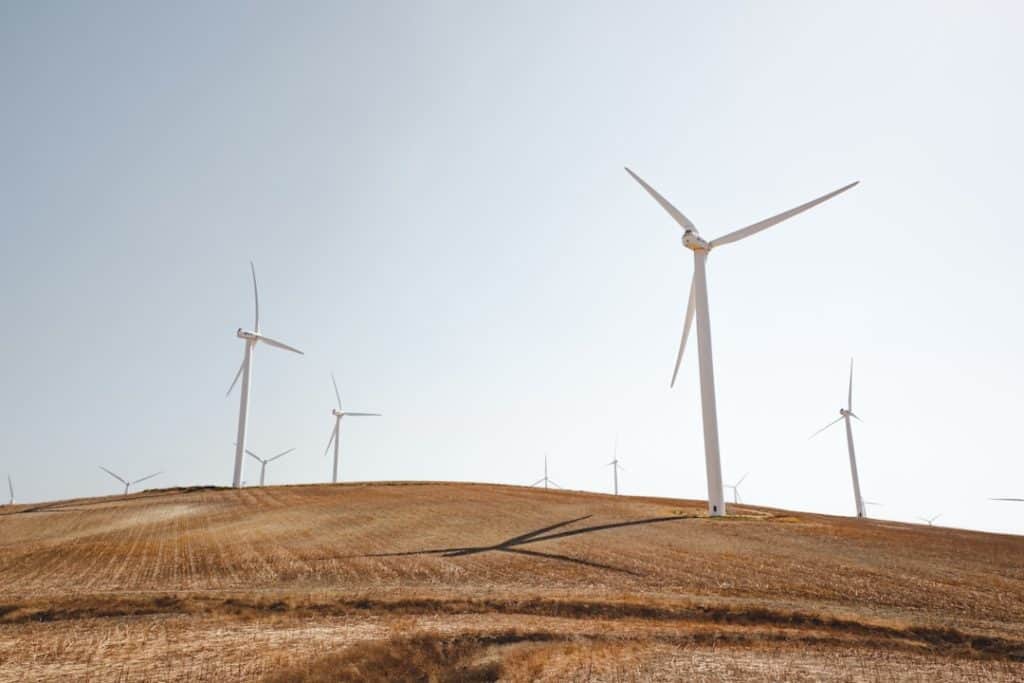
In addition to using small generators for electricity, there are other alternative options for supplying electricity in emergency situations. For example, solar panels can be an excellent option for providing electricity during emergencies, especially in areas where solar energy is abundant. Also, battery systems can be useful as a backup power source during short-term power outages.
Another alternative is to use biogas generators or other renewable energy sources that can provide electricity without the emission of harmful gases or environmental pollution. These alternatives can be particularly useful in the event of prolonged power outages or in areas where access to conventional fuels is limited.
FAQs

What are small power generators?
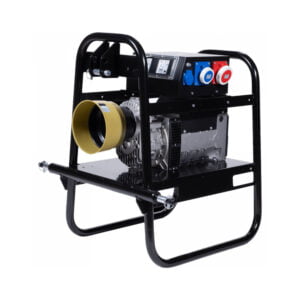
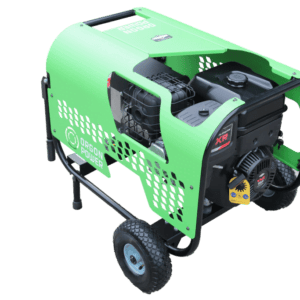
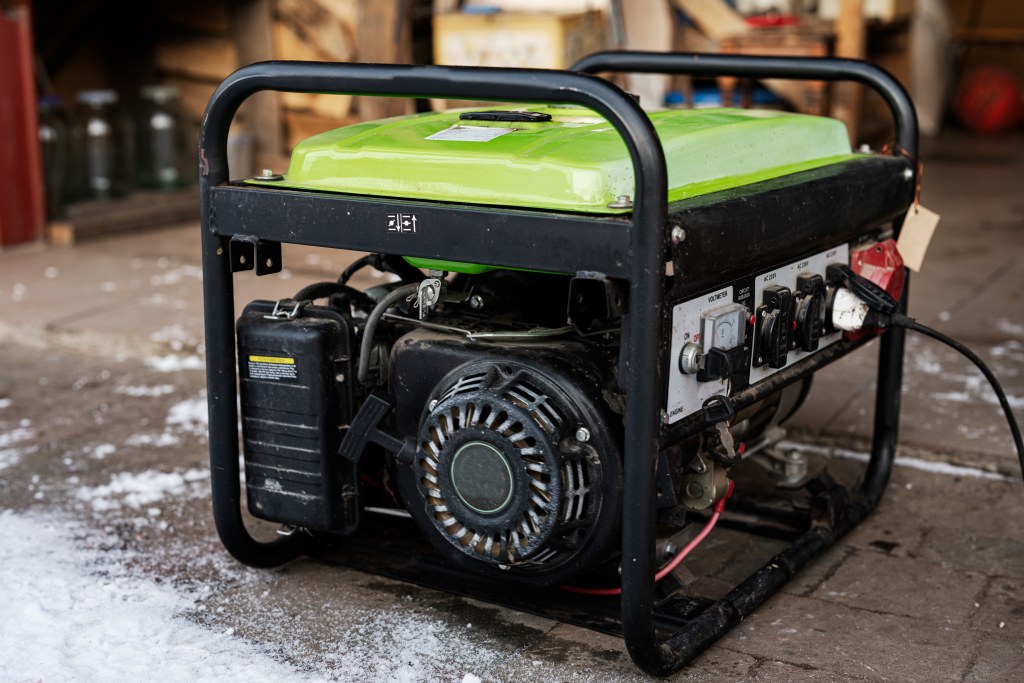
Small power generators are portable devices that produce electricity. They are typically used as a backup power source in the event of a power outage or in situations where there is no access to the power grid.
How do small power generators work?
Small power generators work on the principle of converting mechanical energy into electrical energy. The engine inside the unit drives a generator that produces electricity.
What are small power generators used for?
Small power generators are used to power electrical devices and tools in places where there is no access to the power grid, as well as to provide backup power in the event of a power outage.
What are the advantages of using small aggregates for electricity?
The advantages of using small generators for electricity include portability, the possibility of use in remote areas, as well as the possibility of providing backup power in emergency situations.
What are the disadvantages of using small aggregates for electricity?
Some of the disadvantages of using small generators for electricity include the noise they produce, the need for regular maintenance and fuel consumption. Also, some models may have a limited power generation capacity.