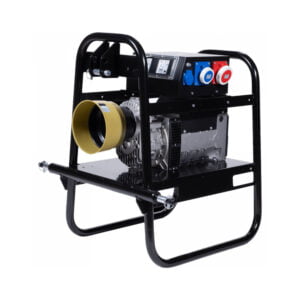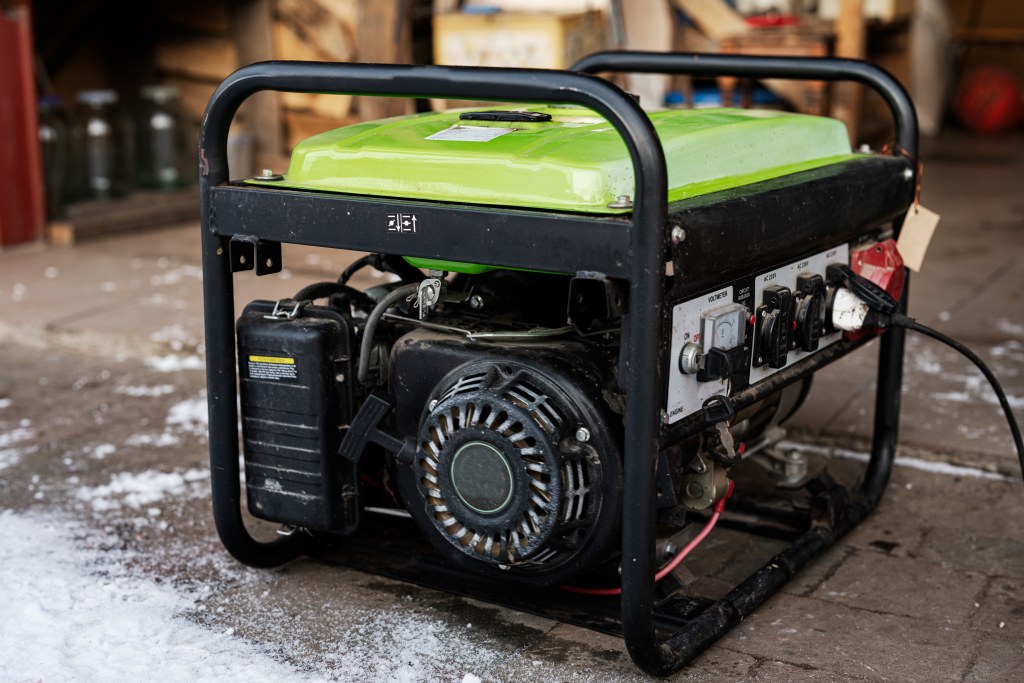
Small power generators are a practical solution for mobile power for several reasons. Their compactness and portability allow for easy transport, making them suitable for outdoor activities such as camping or for use in emergency situations. These devices are generally quieter and more economical compared to larger models, which contributes to the comfort of use and lower operating costs.
Small generators are designed to be efficient and reliable sources of electricity. They can power a variety of devices, from lighting to smaller household appliances. Most models are equipped with various connections, which increases their versatility.
These units usually require less maintenance and have a lower initial cost than larger units, making them more accessible to a wider range of users. The efficiency of small aggregates is reflected in the optimal use of fuel for the production of electricity, which minimizes unnecessary costs. Their reliability and adaptability make them useful in a variety of scenarios, from recreational activities to backup power situations.
Key Takeaways
- The small power generator is an ideal solution for mobile power due to its compactness and portability
- When choosing a small generator, you should take into account the energy consumption and the noise it produces
- The advantages of using a small aggregate include independence from the electrical network and the possibility of use in emergency situations
- Maintenance and storage of a small power generator involves regular cleaning and proper storage of fuel
- Safety aspects of using a small generator include proper placement and avoiding work surfaces that are prone to ignition
How to choose the right small generator for your needs
When choosing the right small generator for your needs, it is important to consider several key factors. First, you should think about the power you need. Think about the appliances you plan to use with the generator and calculate the total power you will need.
Also, consider how long you plan to use the generator in order to select a model with the appropriate fuel tank capacity. Second, it's important to consider the size and weight of the generator, especially if you plan to take it with you on trips or camping trips. Choose a model that is compact and light enough to carry easily.
Also, pay attention to the noise level that the generator produces. If you plan to use the generator near other people, such as at campsites or festivals, it is important to choose a model that is quiet so as not to disturb the surroundings. Also, consider additional features that you may find useful, such as multiple ports or automatic shutdown in case of overload.
When you consider all these factors, you will be able to choose the right small generator to meet all your needs.
Advantages of using a small generator for electricity

Using a small generator for electricity brings numerous advantages that make it an attractive choice for many people. First, small generators are very practical because they allow you to have access to electricity even when you are not connected to the mains. This means you can enjoy the comforts of electricity even when you are camping, picnicking or any other remote location.
Second, using a small generator for electricity can help you save money because you don't have to pay the high electricity bills or fuel costs of larger generators. Also, small generators are usually more environmentally friendly than larger models because they use less fuel and produce less noise and pollution. This means you can enjoy electricity without having a negative impact on the environment.
Another advantage of using a small generator is that it gives you independence and security in case of power outages or emergencies. With your small generator, you can ensure that you have access to electricity even when the mains is unavailable, which can be vital in emergency situations.
How to maintain and store a small power generator
| Aggregate type | Maintenance | Keeping |
|---|---|---|
| Small generator for electricity | Regular cleaning of the air filter, replacement of oil and spark plugs, belt check | Store in a dry place, protected from moisture and dust, regularly check the fuel level |
Maintaining and storing your small power generator is essential to ensure its long-term use and reliable operation. First, regular cleaning and maintenance of the engine and filter is vital to ensure that the generator is running efficiently and without problems. Check the oil and fuel levels regularly to make sure the engine is well lubricated and ready to go.
Also, check all connections and cables regularly to make sure there are no damages or leaks. It is also important to store the small aggregate properly to ensure its long-term preservation. Store it in a dry and safe place to avoid damage from moisture or other external influences.
Also, use it regularly to keep its components in good condition. If you do not plan to use the generator for a long time, it is advisable to empty the fuel tank and start the engine to ensure that there is no fuel left in the system. Proper maintenance and storage of a small power generator will help you extend its life and ensure reliable operation in any situation.
Safety aspects of using a small generator for electricity
Using a small generator for electricity can be very useful, but it also carries certain safety risks that need to be considered. First, it is important to position the generator correctly to avoid the dangers of gas leaks or engine overheating. Place it on a flat surface outside of closed rooms to ensure good ventilation and reduce the risk of fire or gas poisoning.
It is also important to regularly check the condition of the cable and connections to avoid electrical hazards. Second, it is important to follow the manufacturer's instructions when using a small generator to avoid unnecessary risks. Never overload the unit or use it in closed rooms where gases may accumulate.
It is also important to check the oil and fuel levels regularly to avoid engine overheating or other problems that could lead to dangerous situations. Using a small generator can be safe if you follow all safety guidelines and maintain your device regularly.
Examples of situations where a small power generator is necessary
There are many situations where a small power generator is necessary to provide mobile power. For example, when you are camping or picnicking away from the power grid, a small generator can provide the electricity you need for lighting, charging mobile devices or running smaller appliances. Also, a small generator may be necessary in emergency situations such as natural disasters or power outages when it is necessary to ensure access to electricity for basic needs.
Also, a small generator may be necessary in work situations such as construction work or field work where electricity is not available. In such situations, a small generator can be vital for running tools and machines that require electricity. Regardless of the situation, a small power generator may be necessary to provide mobile power in a variety of circumstances.
Alternative options for mobile power and their pros and cons
In addition to small power generators, there are other mobile power alternatives to consider before making a final decision. For example, solar panels are a popular option for mobile power because they use the sun's energy to generate electricity without emitting gases or noise. Solar panels are environmentally friendly and can be very practical in situations where sunlight is available.
Another alternative for mobile power is high-capacity batteries that can store electricity for later use. Batteries are practical because they allow more energy to be stored than a small generator, but they can be more expensive and more difficult to maintain. Also, biogas generators are another alternative that uses renewable energy sources to produce electricity without the emission of harmful gases.
Each of these alternatives has its advantages and disadvantages that should be considered before making a final decision on mobile power supply. It is important to carefully consider all options in order to choose the best solution that will meet all your needs and preferences.
FAQs
What is a small power generator?
A generator is a small portable device that produces electricity. These small generators are usually powered by a gasoline engine and are used to power electrical devices in places where there is no access to the power grid.
How does a small power generator work?
A small power generator works by a gasoline engine driving a generator that produces electricity. That energy is then transferred through outlets to devices that require power.
What is a small power generator used for?
Small power generators are used to power electrical devices in places where there is no access to the power grid, such as camping, construction work, emergency situations or as backup power in the event of a power outage.
How much power can a small power generator produce?
Small generators typically produce 1000 to 5000 watts of power, which is enough to power basic electrical appliances such as light bulbs, refrigerators, televisions, computers, and the like.
How is a small power generator maintained?
Maintenance of a small power generator includes regular oil and filter changes, air filter cleaning, fuel level checks and spark plug checks. Also, it is important to start the generator regularly in order to preserve its functionality.