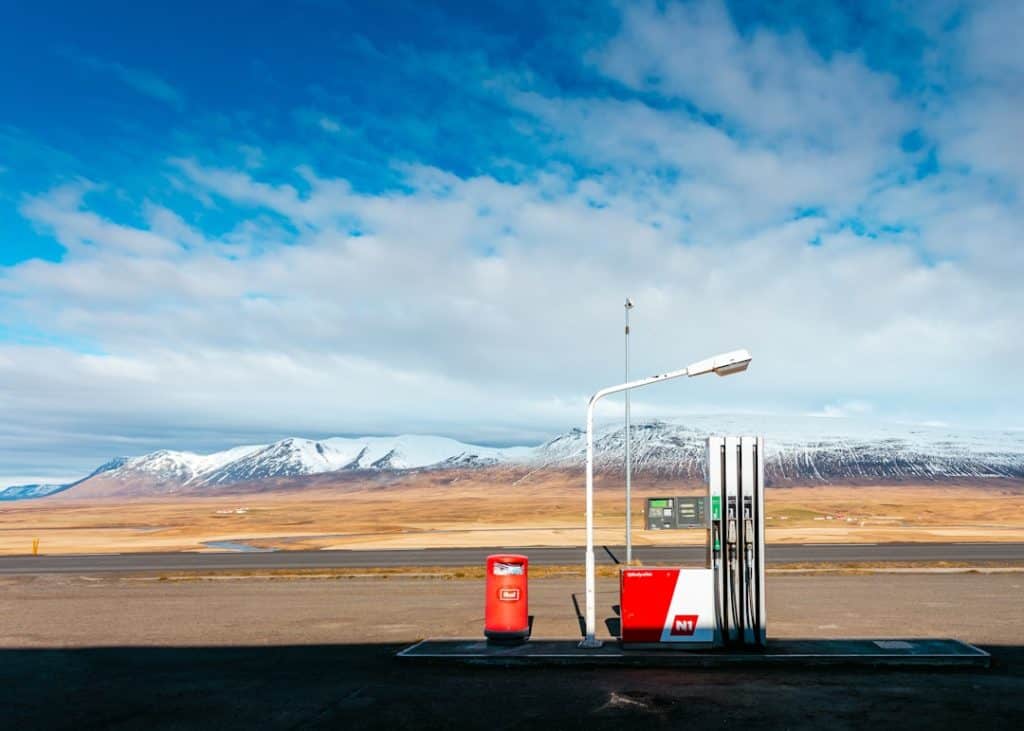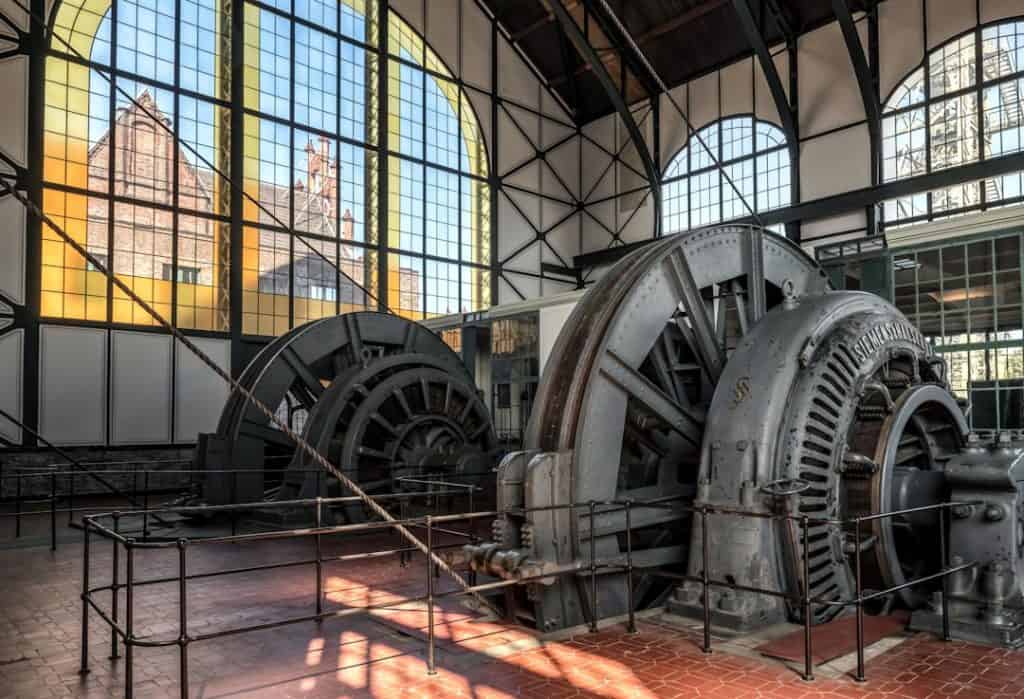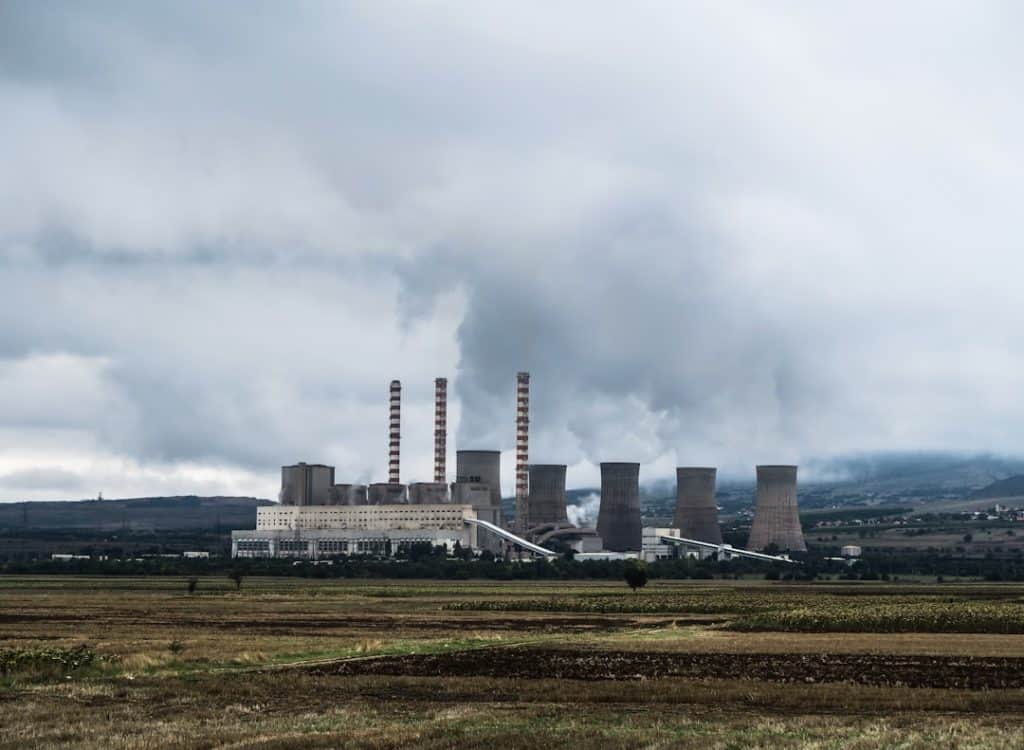
Electricity production has a significant impact on the price of electricity for end consumers. Different energy sources have different production costs, which directly affects the formation of the price. Renewable energy sources, such as solar and wind power, usually require higher initial investment but have lower operating costs.
In contrast, generation from fossil fuels, such as coal and natural gas, often has lower initial costs but higher operating costs. The technology used to generate electricity also plays an important role in determining the price. Modern production systems are generally more efficient and have lower production costs, which can result in lower prices for consumers.
Outdated technology, on the other hand, often leads to higher production costs and higher consumption of resources, which is reflected in the higher price of electricity. Factors such as generation efficiency, maintenance costs, energy transportation and regulatory requirements also affect the final price of electricity. In addition, market conditions, such as supply and demand, as well as government policies and subsidies, can significantly affect the formation of electricity prices for end consumers.
Key Takeaways
- Electricity generation can affect price through fuel costs, technology and greenhouse gas emissions.
- Electricity demand can affect the price through seasonal variations, industrial consumption and household consumption.
- Electricity distribution and transmission costs can affect the price through investments in infrastructure and network maintenance.
- Regulatory fees and charges can affect the price of electricity through taxes, subsidies and fees for renewable energy sources.
- Market factors can affect the price of electricity through competition, fuel prices and changes in the international market.
The impact of electricity demand on the price
Demand for electricity also has a significant impact on the price of electricity. When demand is high, it can lead to an increase in electricity prices, as producers must increase production to meet the needs of consumers. This can result in higher electricity production and distribution costs, which can be reflected in the final price paid by the consumer. On the other hand, when demand is low, it can result in lower electricity prices, as producers do not have to increase production to meet consumer needs.
This can result in lower costs of electricity generation and distribution, which can be reflected in a lower price paid by the consumer. Demand for electricity can be affected by various factors such as seasonal changes in consumption, the economic situation, industry changes and technological advances.
The influence of electricity distribution and transmission costs on the price
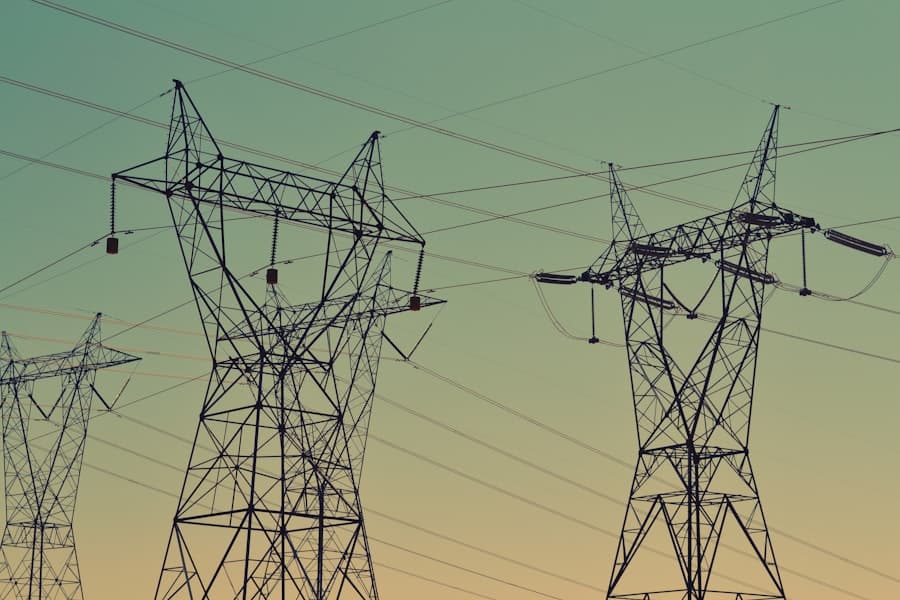
The costs of distribution and transmission of electricity also have a significant impact on the final price paid by the consumer. Distribution costs include the construction and maintenance of the electrical distribution network, as well as energy losses during transmission. These costs can be a significant factor in determining the price of electricity for consumers.
Electricity transmission refers to the transmission of electricity from production facilities to the electricity distribution network. Transmission costs include the construction and maintenance of transmission lines and transformer stations. These costs can also have a significant impact on the final price of electricity for consumers.
The efficiency of electricity distribution and transmission can be a key factor in determining electricity prices for consumers.
The impact of regulatory fees and charges on the price of electricity
| Year | Total amount of regulatory fees and charges (in millions of dinars) | Average price of electricity for households (in dinars per kWh) |
|---|---|---|
| 2015 | 1,200 | 7.5 |
| 2016 | 1,400 | 7.8 |
| 2017 | 1,600 | 8.2 |
| 2018 | 1,800 | 8.5 |
| 2019 | 2,000 | 8.9 |
Regulatory fees and charges can also have a significant impact on the price of electricity paid by the consumer. These fees and charges may be imposed by government or regulatory bodies to finance various energy-related programs or initiatives. For example, fees and charges may be imposed to finance renewable energy programs or to support energy efficiency. These fees and charges can be directly added to the electricity bills paid by consumers, which can result in an increase in the final price of electricity.
In addition, these fees and charges may be subject to change in accordance with changes in policy or legislation, which may further affect the cost of electricity to consumers.
The influence of market factors on the price of electricity
Market factors can also have a significant impact on the price of electricity. Competition in the market can lead to lower prices for consumers, as producers must lower prices to attract consumers. On the other hand, a lack of competition can result in higher prices for consumers, as producers can have more control over prices.
In addition to competition, market factors such as supply and demand, changes in raw material prices, and changes in currency exchange rates can also affect the price of electricity. These factors may be subject to changes and fluctuations, which may result in changes in electricity prices for consumers.
The influence of environmental factors on the price of electricity

Environmental factors can also have a significant impact on the price of electricity. Increased awareness of environmental protection and climate change may lead to increased demand for renewable energy, which may result in higher prices for consumers. Generating electricity from renewable sources such as solar and wind electricity can have higher initial investment costs compared to traditional energy sources, which can result in higher prices for consumers.
On the other hand, environmental factors can also lead to lower electricity prices. For example, technological advances in renewable energy can lead to lower costs of producing and distributing renewable energy, which can result in lower prices for consumers. Also, regulatory pressure to reduce greenhouse gas emissions may lead to increased investment in cleaner electricity generation technology, which may also result in lower prices for consumers.
The influence of political factors on the price of electricity
Politics can also have a significant impact on the price of electricity. Changes in policy or legislation may result in changes in regulations affecting the generation, distribution and consumption of electricity. For example, subsidies or tax credits for renewable energy may result in lower prices for consumers, while tax increases or regulations on greenhouse gas emissions may result in higher prices for consumers.
In addition, political factors such as geopolitical tensions or changes in international relations can also affect the price of electricity. For example, instability in countries that are major producers of fossil fuels can result in fluctuations in the prices of raw materials used to produce electricity, which can affect the final price paid by the consumer. In conclusion, the price of electricity is the result of a complex combination of factors that include production, demand , distribution, regulation, market, ecology and politics. Understanding these factors is key to making informed decisions about energy policy and planning for the future of electricity supply.
FAQs
What is the price of power generators?
The price of the generator for electricity is the price paid for the use of electricity produced by the generator.
How is the price of electricity aggregates determined?
The price of generators for electricity is usually determined based on the consumption of electricity, the period of use and the power of the generator.
What is the average price of power generators?
The average price of an electricity generator can vary depending on the location, the power of the generator and the period of use. In Serbia, the average price of power generators is around 15-20 dinars per kilowatt hour.
How can we reduce the costs of power generators?
We can reduce the costs of power generators by efficient use of electricity, regular maintenance of generators and the use of energy-efficient devices.
Is there a subsidy for the use of power generators?
In some cases, the government may provide subsidies for the use of generators for electricity, especially in emergency situations such as natural disasters or power outages.